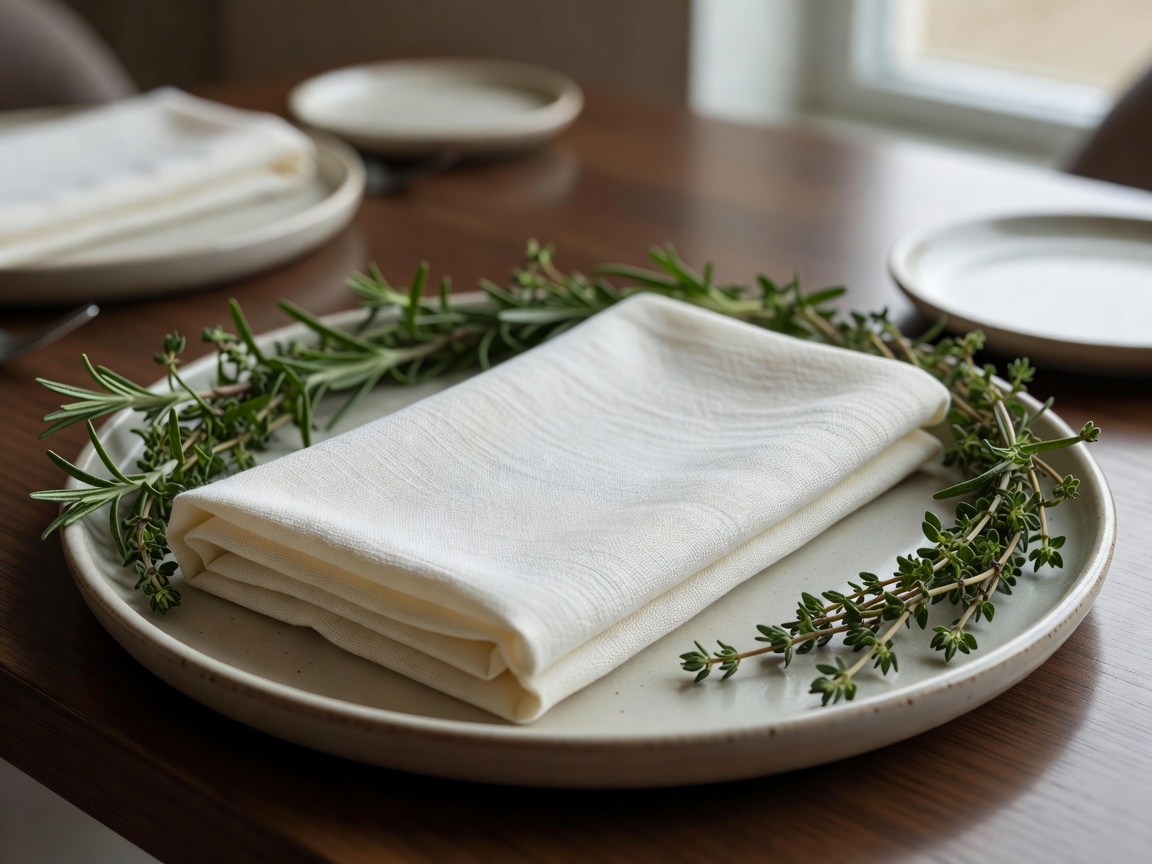
A table setting is a small landscape of actions. Someone unfolds a napkin, finds their glasses, reaches for water and makes room for a shared plate. Décor works best when it respects those movements. Instead of asking how much personality a table can display, ask how it can express the restaurant's character while staying generous to the people using it. Restraint can communicate attention rather than absence.
Start with the service sequence
Lay out the table for the busiest realistic moment, not only the opening photograph. Include water, drinks, bread, condiments and the dishes your menu actually uses. If guests are expected to share, test serving utensils and the reach to the center. Notice where a server can safely place a hot plate without asking someone to relocate a phone, a glass and a vase.
Remove items that appear before they are useful. A large collection of cutlery can make a compact table feel crowded, while an oversized charger may leave too little usable space. Decide what should arrive with each course and confirm that the service team can support that sequence. A visually spare setting still needs a clear operational plan.
Choose materials with the hand in mind
Guests experience tableware through weight, temperature, texture and balance. Test a filled jug rather than an empty one. Lift a cup by its handle, try the knife against the intended plate and check whether a glass feels stable on the selected tabletop. Objects with unusual shapes may add character, but they should not make an ordinary action unnecessarily difficult.
Look beyond the first sample's surface. Ask about replacement availability, dishwasher compatibility and the approved cleaning method. Reactive glazes and handmade pieces can vary; understand which variation belongs to the design and which indicates damage. Any item intended to contact food needs appropriate supplier documentation for its intended use. A decorative bowl is not automatically suitable for service.
Linen and other textiles also affect the working day. Consider absorbency, laundering, drying and storage as well as color. Try the napkin after repeated care cycles. A material that looks relaxed when new may become difficult to present consistently, while a simpler fabric can gain character through reliable maintenance.
Let décor frame conversation
Keep table arrangements low enough to preserve useful sightlines, and test from both sides. Avoid relying on a single measurement: the vessel, foliage, table height and seated positions all influence the result. Strongly scented flowers or candles may compete with food and trouble scent-sensitive guests. Unscented, restrained alternatives often make a more considerate default.
A restaurant story does not need to be repeated on every surface. A locally commissioned ceramic, a carefully chosen print or a visible repair can carry meaning without forming a theme park. Give materials room to be noticed. Check that shelves, hanging objects and freestanding displays remain secure and do not project into circulation or complicate cleaning.
Offer information and choice without a hurdle
A welcoming menu is readable in the lighting where it will be used. Test print size, contrast, paper finish and plain-language descriptions with real readers. Glossy stock can reflect a pendant directly into the page. A digital menu may be useful, but a QR code should not be the only way to discover what is available. Offer a practical alternative without requiring a guest to explain why they need it.
For digital information, WCAG 2.2 provides web accessibility guidance. It does not certify the physical dining room. The Design Council and the Centre for Excellence in Universal Design offer broader inclusive-design resources. Use them to strengthen questions and processes, not to declare a restaurant universally accessible.
Ask guests which available table or adjustment would help. Do not move a mobility aid, assume a companion should answer or describe a single designated table as the only possible accommodation without examining alternatives. Keep routes and usable table space clear throughout service. A thoughtful opening arrangement loses its value if spare chairs and equipment gradually occupy it.
None of these prompts establishes legal compliance or replaces specialist advice. Their purpose is to make observation more precise. When a setting supports independent choices, comfortable conversation and unforced service, its story becomes something guests experience rather than something they are asked to admire.